

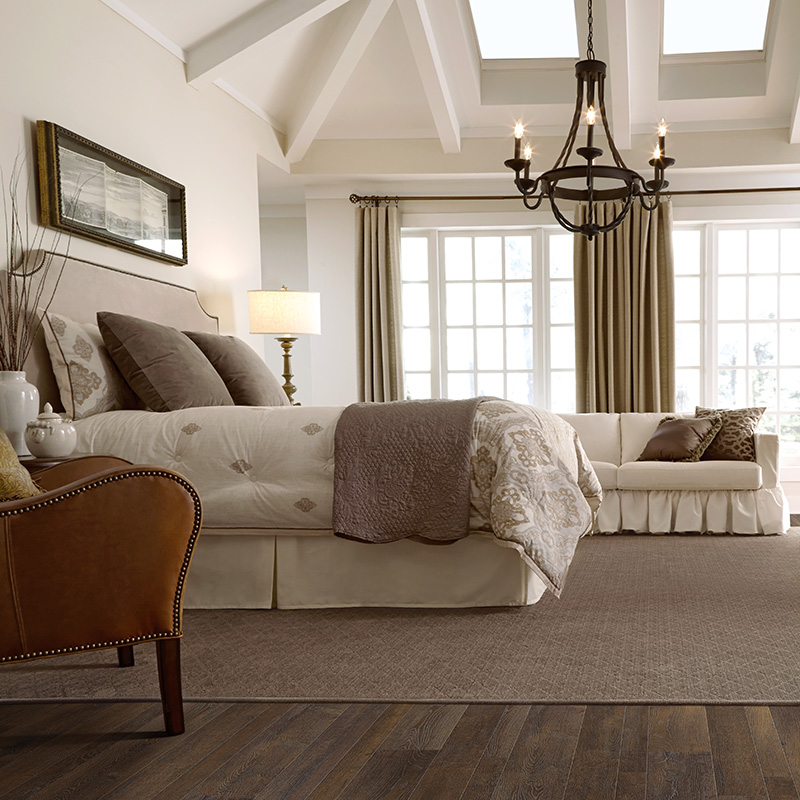
A guide for Texas homeowners transitioning from wall-to-wall carpet to vinyl or laminate
Ditching wall-to-wall carpet for a hard surface is a standard move for many Texas homeowners. Between the heavy oak pollen in Austin and the persistent humidity in Houston, carpet often becomes a magnet for allergens and moisture that hard floors simply don't have to deal with. When you make the switch to luxury vinyl plank (LVP) or laminate, you gain a floor that is easier to clean and much more durable.
The trade-off is the physical feel of the room. Most homes in our part of the country are built on concrete slabs. When you remove the padding and carpet, that slab becomes very apparent. The room sounds different, the floor feels harder on your joints, and the "hollow" echo of footsteps can be a surprise. Layering area rugs is the fix for these issues. It allows you to keep the easy-maintenance benefits of your new floors while bringing back the comfort you lost when the carpet came out.
Managing the Acoustic and Thermal Shift
The biggest shock after installing LVP or laminate is usually the noise. Hard surfaces reflect sound waves, while carpet absorbs them. In an open-concept living area with high ceilings, every conversation or television show can start to echo. Rugs act as your primary tool for sound management. They break up the flat surface of the floor, catching sound waves before they bounce off the walls.
Temperature is the other factor. During a Texas winter, a concrete slab stays cold. Even though vinyl and laminate are warmer than tile, they still transfer that chill to your feet. Placing a rug in a bedroom or seating area creates a thermal break. It’s a simple way to make the house feel lived-in and comfortable during those few months when the temperature actually drops.
Sizing Your Rugs for Texas-Sized Rooms
A common mistake is buying a rug that is too small for the space. If a rug is just sitting in the middle of a room with no furniture touching it, it looks like a "postage stamp." It also becomes a major tripping hazard because the edges aren't weighted down.
In the living room, the rug needs to anchor the furniture. You want at least the front legs of your sofa and chairs to sit on top of the rug. This holds the rug in place and prevents it from sliding on the smooth surface of your laminate or vinyl. For most suburban homes, this usually means looking at an 8x10 or 9x12 rug.
For dining rooms, the rule is even more specific. Your rug should be large enough that when you pull a chair out to sit down, all four legs of the chair are still on the rug. If the back legs fall off the edge, the chair will wobble, and you’ll likely scratch your new floors over time as the chair legs rub against the edge of the rug.
Choosing Materials That Handle High Traffic
Texas households are active. Between kids, pets, and tracking in dirt from the yard, your rugs need to be as durable as the floors underneath them. Wool is a top-tier choice because it’s naturally stain-resistant and holds its shape for decades. It feels great underfoot, which helps bridge the gap after you've removed plush carpeting.
If you want something lower maintenance, high-quality synthetic fibers like polypropylene are excellent. They are easy to clean and don't shed. Just make sure the pile isn't so thick that it becomes a trip hazard. A "low-profile" rug is usually better for high-traffic areas because it’s easier to vacuum and won't catch on the bottom of doors as they swing open.
Guarding Against UV Fading
We get a lot of sun in Texas. If you have large windows, the UV rays will eventually affect the color of your floors. Even high-end, fade-resistant LVP can show "ghosting" if part of the floor is covered by furniture and the rest is in direct sun for years.
Using rugs strategically can actually help. By covering the areas of the floor that get the most direct sunlight, the rug takes the UV hit instead of your permanent flooring. It’s a good idea to shift your rugs or furniture an inch or two every few months. This ensures the floor ages evenly across the whole room, so you don't end up with a dark spot if you ever decide to move the rug later.
Get the Right Foundation for Your Texas Home
Switching from carpet to a hard surface like luxury vinyl or laminate is a smart move for your home's value and cleanliness. While it changes the feel of your space, adding the right rugs and pads ensures you don't lose the comfort your family needs. By following these steps for sizing and material selection, you protect your investment and make the transition seamless.
At Flooring Warehouse, we carry over one million square feet of inventory, which means we have the waterproof LVP and durable laminate you need in stock and ready to go. Because we are family-owned and operated, we take personal responsibility for every project. We focus on providing factual advice and professional installation to homeowners in Austin, Houston, and the surrounding areas.
Are you ready to see the difference a new floor can make? Visit one of our showrooms in Austin or Houston today to walk through our massive inventory, or contact us to schedule a professional estimate.


