

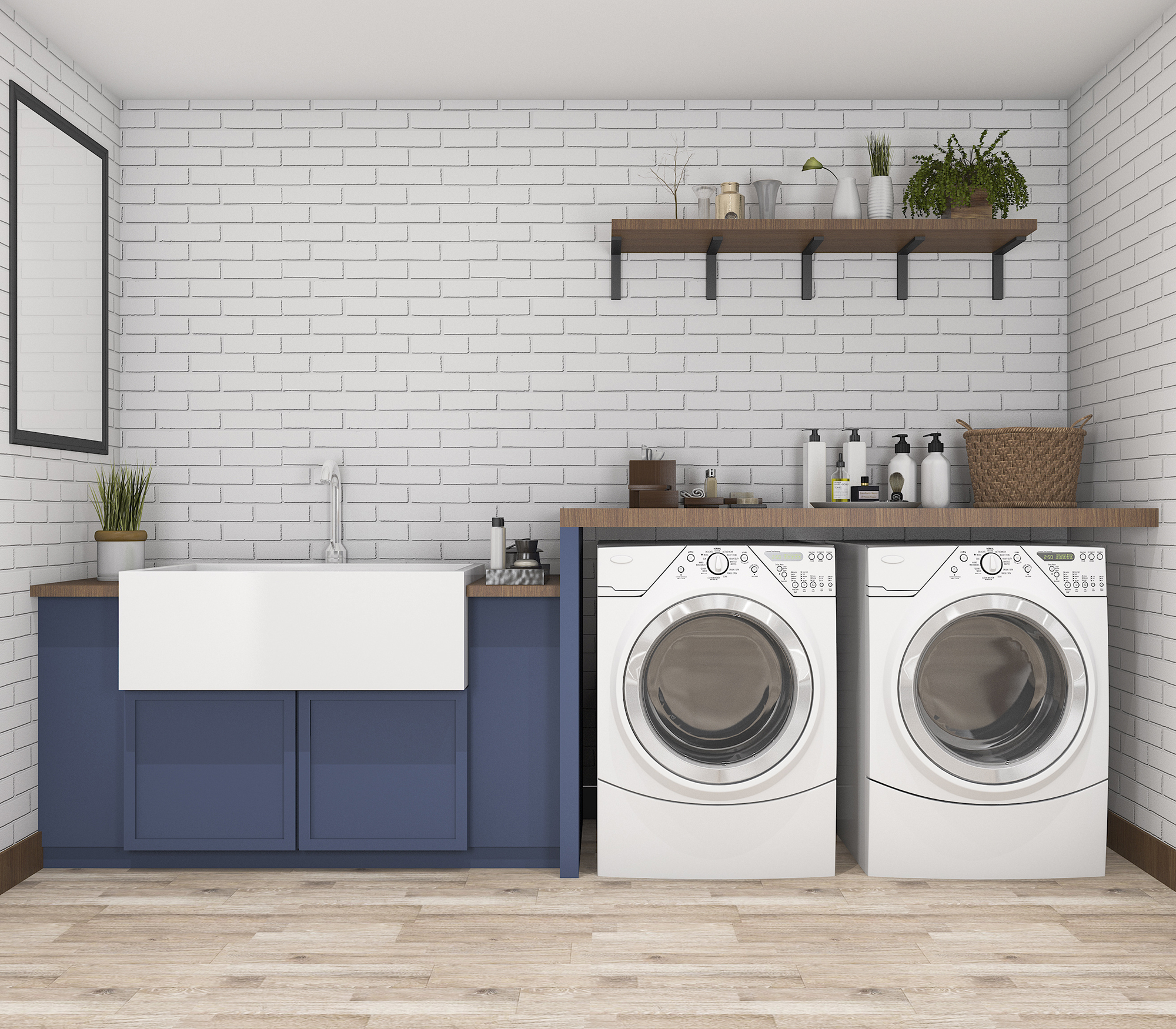
Laundry rooms are active spaces where spills and heavy vibrations are common. Many homeowners want a wood-look floor that matches the rest of the house but worry about moisture in these utility areas. Modern laminate can work in a laundry room if you choose a water-resistant product and follow specific installation steps.
Defining Water-Resistant Laminate
Water-resistant flooring is built to keep liquids on the surface for a set amount of time, usually between 24 and 72 hours. A rating like this gives you a chance to wipe up a leak from a detergent bottle or a splash from a sink before the core of the plank is affected. While the surface handles moisture well, it is not the same as 100% waterproof flooring.
Spills that sit on the seams for too long can eventually soak into the fiberboard core. If moisture reaches the center of the plank, the edges may swell or peel. Knowing the difference between a temporary splash and standing water is the best way to prevent long-term damage in a splash zone.
Benefits of a Laminate Utility Room
Aluminum oxide in the wear layer provides a tough shield against scuffs and scratches. Moving heavy laundry baskets or sliding a detergent box across the floor won't leave the marks often seen on softer surfaces. A dense core also handles the weight of heavy washing machines and dryers without denting.
Laminate creates a warm atmosphere that reflects light, making a small utility room feel more inviting. Running the same material from a hallway or kitchen directly into the laundry room provides a cohesive look. A unified floor plan often makes a home feel larger and more open.
Risks of Moisture in Splash Zones
Standing water is the biggest threat to laminate in a laundry room. A burst washing machine hose or a major leak can introduce more liquid than a water-resistant core can handle. In humid areas like Houston and Austin, moisture can also get trapped under the planks if a vapor barrier is not installed correctly.
Major leaks often require the floor to be replaced if the water gets underneath the edges. While the top of the plank is durable, it cannot stop water from reaching the subfloor once it passes the perimeter. Homeowners should weigh the risk of plumbing failures before deciding on a material for a room with a floor drain or utility sink.
Installation Tips for Wet Areas
Proper sealing helps protect the floor from moisture at its most vulnerable points. Applying 100% silicone sealant around the edges of the room keeps water from migrating under the planks. A watertight barrier at the walls and cabinets is a simple step that adds a lot of protection to the project.
Drip pans under the washing machine provide extra security against slow leaks that might go unnoticed. A high-quality underlayment is also needed to block moisture from the subfloor and dampen the noise of the spin cycle. These additions help the floor stay stable and quiet over time.
Selecting the Right Floor for Your Home
Laminate is a durable, attractive choice for laundry rooms when you account for the risk of water exposure. It offers the look of real wood and stands up well to the heavy traffic of an active Texas household. As a family-owned and operated business, our focus is on helping you find a floor that balances style with long-term performance.
Visit our locations in Austin or Houston to see our water-resistant laminate options in person. You can also contact us to book a professional estimate so our team can help you find the right flooring solution for your next project.


