

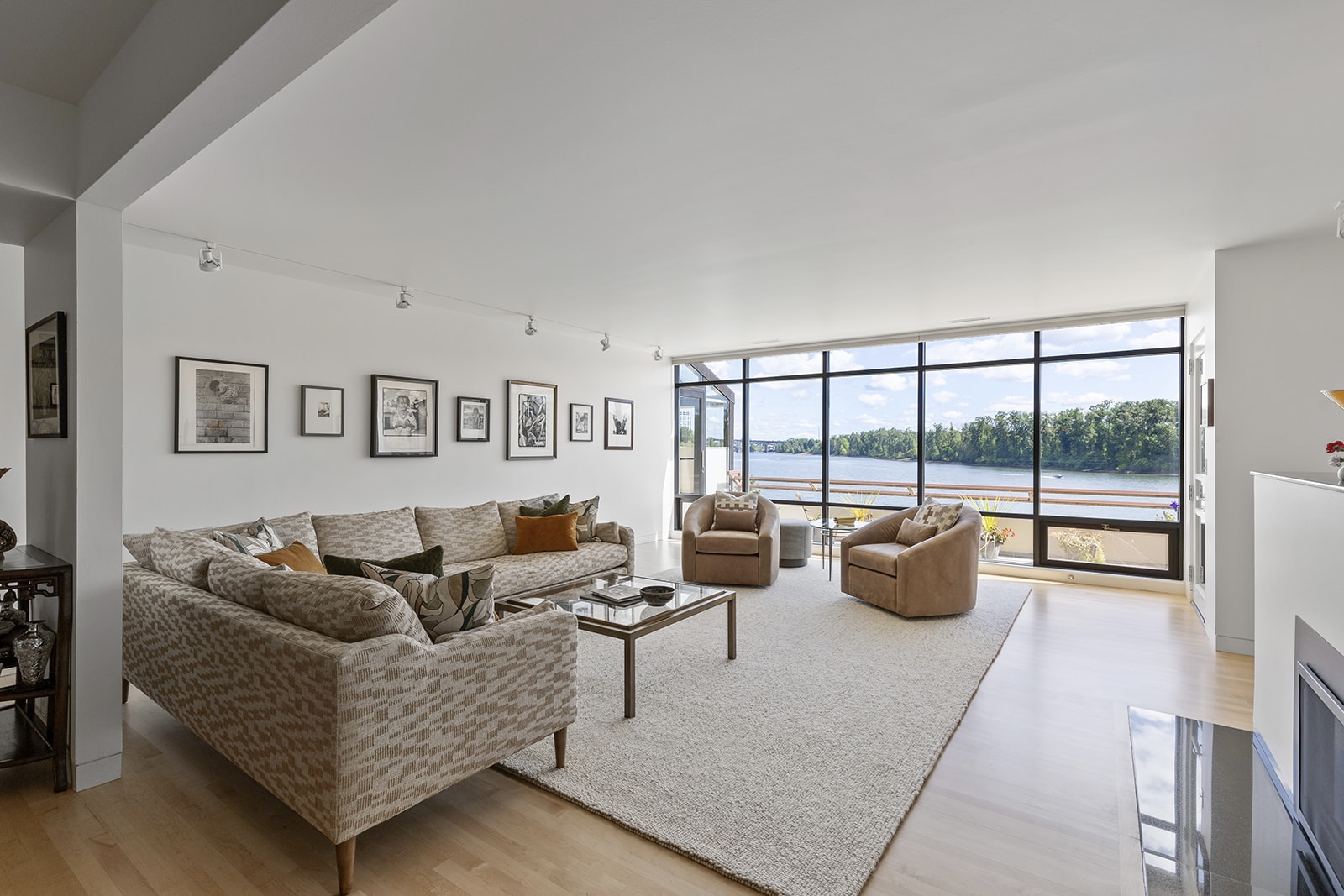
Open-concept floor plans are a signature feature of homes throughout Austin and Round Rock. These large, connected footprints create a bright, airy atmosphere, combining your main living areas, dining spaces, and kitchens into one fluid family hub. While these expansive layouts are excellent for entertaining, they can sometimes feel vast or disconnected without a clear visual anchor. Selecting an area rug with the correct dimensions defines your seating zone, brings proportion to high hill country ceilings, and helps establish a warm, comfortable gathering space.
The Layout Challenges of Open Floor Plans
Spacious Texas floor plans require a strategic approach to interior design. When your living room flows directly into the kitchen without walls, your furniture can easily look like it is floating in a massive, open space.
A properly sized rug provides the structural framework that holds a seating arrangement together. Hardwood and luxury vinyl floors offer excellent durability for active households, but large rooms with hard surfaces can generate an echo. Adding a substantial textile layer dampens sound waves, making your everyday conversations sound quieter and more intimate.
Central Texas homes also emphasize a seamless transition to outdoor living spaces. Your living room layout must accommodate the physical flow of traffic heading out to covered back patios or backyard kitchens. Leaving an adequate perimeter of bare floor around your rug ensures that walking paths remain clear, preventing guests from tripping over corners as they move through the house.
Three Standard Layout Rules for Your Living Room
Achieving the right balance depends entirely on how your furniture interacts with the perimeter of the rug. Homeowners generally follow one of three traditional arrangements to establish a cohesive living space.
The Full Anchor Layout
This configuration requires a large-scale rug that accommodates all your seating furniture completely. Your sofa, accent chairs, and coffee table rest entirely on top of the fabric, with a few inches of rug extending past the back legs of the furniture. Choosing this layout creates a highly defined, independent room-within-a-room, making it the ideal choice for expansive open-concept great rooms.
The Partial Anchor Layout
The front-legs-only approach is a versatile option that works exceptionally well in mid-sized living areas. With this setup, only the front feet of your sofa and accent chairs sit on the rug, while the back legs rest directly on your underlying hard surfaces. This arrangement connects your furniture pieces visually while allowing more of your premium flooring material to remain visible around the edges of the room.
The Floating Layout
Placing a small rug under just your central coffee table leaves all seating furniture completely off the fabric. While this option can work in tight, enclosed bonus rooms, you should generally avoid it in large open-concept spaces. A small rug in a massive room can look disproportionate, making your furniture appear scattered rather than anchored.
Sizing Your Rug Based on Room Scale
Selecting the right dimensions requires measuring both your overall room size and your specific furniture grouping. Buying a rug that is too small is the most common design mistake, as undersized textiles make an entire room look smaller than it actually is.
Eight by Ten Feet: This standard size accommodates smaller seating groups, working perfectly with a standard sofa and the front feet of two small accent chairs.
Nine by Twelve Feet: An ideal choice for typical open-concept living rooms, providing enough surface area to anchor a large sectional or a traditional sofa-and-loveseat combination.
Ten by Fourteen Feet: Engineered for grand hill country homes with extensive square footage, allowing you to place large furniture groupings completely on the rug surface.
Maintaining proper floor border clearance is essential for a balanced look. You should always aim to leave twelve to eighteen inches of bare flooring visible between the outer edge of your rug and the surrounding walls. Preserving this consistent border maintains the architectural flow of your home and highlights the quality of your underlying hardwood or laminate.
Complete Your Design with Flooring Warehouse
A high-quality area rug performs best when it sits on a flawless, durable foundation. We stock one million square feet of smart hard-surface flooring options, giving you access to the exact textures, wood species, and waterproof materials your home improvement project requires. Our family-owned company coordinates the entire process with personal accountability, guiding you from precise onsite measurements to professional installation.
Visit our local showrooms in Cedar Park or Georgetown to explore our extensive inventory of premium hard surfaces, or contact us today to schedule your direct in-home estimate.


