

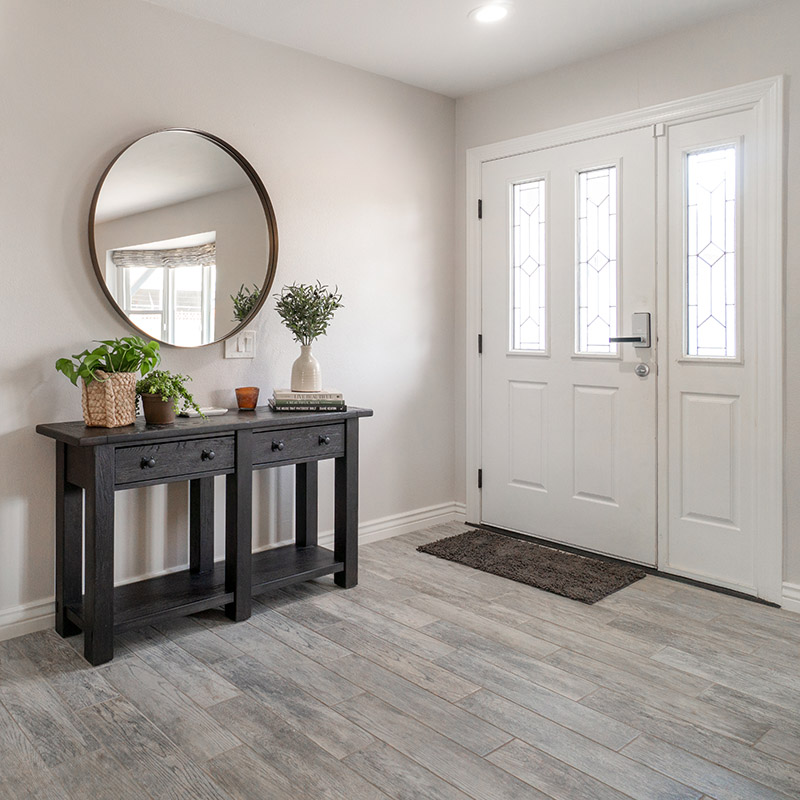
The transition into a Texas spring brings rain and unpredictable weather patterns. While the rainfall is necessary for the landscape, it can cause a challenge for your home’s interior. Entryways become the primary battleground against mud, moisture, and the abrasive grit that hitches a ride on shoes and pet paws.
You need a proactive approach to protect your floors. Mud often contains high levels of clay and limestone, which can be abrasive on your flooring. If left unmanaged, they compromise the finish of your floors and cause wear faster. Establishing a solid defense at your front and back doors can preserve the lifespan of your investment.
Managing the Impact of Grit and Moisture
Texas mud is more than just a nuisance. It acts like a liquid sandpaper. When wet dirt is tracked onto a hard surface, the fine particles of sand and silt get trapped between the sole of a shoe and the floor’s wear layer. With every step, these particles grind against the surface, eventually dulling or scratching your flooring.
Moisture presents a different set of problems. Even though many modern flooring options are marketed as water-resistant or waterproof, standing water can still damage your flooring. Constant exposure to moisture at an entryway can seep into the expansion gaps near baseboards or settle into the joints of the planks. Over time, this can lead to minor swelling or the growth of mildew if the subfloor remains damp. Focusing your seasonal prep in your entryways prevents these issues from migrating into the main living areas.
Selecting Durable Materials for High-Traffic Entryways
If you are currently planning a renovation or building a new home, the material you choose for your entryway dictates how much maintenance you will face every spring. Some surfaces are naturally better equipped to handle the influx of mud and water.
The Benefits of Waterproof Luxury Vinyl
Luxury vinyl plank (LVP) has become a standard for Texas entryways because it is 100% waterproof. Unlike natural wood, which can warp or stain when exposed to a dripping umbrella, LVP is made from synthetic materials that do not absorb liquid. The non-porous surface makes it easy to wipe away muddy footprints with a damp cloth, ensuring the mess doesn't stain or damage your floors.
Tile and Stone Resilience
Tile is a highly durable choice for transition zones. It handles moisture exceptionally well and provides a hard, scratch-resistant surface that stands up to heavy grit. However, the performance of a tile floor often depends on the grout. During a wet spring, it is important to ensure your grout is properly sealed. Unsealed grout can absorb muddy water, leading to deep stains that are difficult to remove.
Creating a Strategic Barrier with Rugs and Mats
The most effective way to protect your floors is to ensure that mud and water never actually reach the surface. A dual-mat system is the best strategy for high-traffic doors.
The Exterior Scraping Mat
Your first line of defense should be a heavy-duty mat placed outside the door. Look for mats with coarse, stiff fibers like coir or rubber "fingers" that are designed to scrape mud out of the treads of shoes. The goal is to remove the bulk of the debris before someone even steps across the threshold.
The Interior Absorbent Rug
Once inside, a low-profile rug or runner should be used to catch any remaining moisture. Choose a rug with a high absorption rate to "dry" the soles of shoes as people walk in. For long hallways or entryways, a runner is often the best choice because it provides several feet of protection, giving the rug more time to pull moisture away from footwear.
Establishing an Organized Transition Zone
If people have a clear place to remove and store wet gear, they are less likely to track mud through the house. Creating a dedicated "mudroom" or transition area helps contain the mess to a single, protected spot.
A simple bench with shoe cubbies or a waterproof shoe tray can drastically reduce the amount of dirt that enters your home. Shoe trays are especially helpful because they have a raised lip that contains the water and mud as it melts off boots. This setup works well with a variety of home styles, including a modern farmhouse or industrial look, allowing you to maintain your design aesthetic while prioritizing function.
If your entryway opens directly into a living area, consider placing an umbrella stand near the door. This prevents people from carrying dripping umbrellas across the room to the kitchen sink or a closet, keeping the water confined to a small, manageable area.
Maintenance and Cleaning During the Wet Season
Regular maintenance is the final piece of the puzzle. During the peak of a rainy Texas spring, your cleaning routine may need to be more frequent to keep up with the elements.
Removing Grit Quickly
Sweeping or vacuuming should be a daily task during a muddy week. Removing the grit from the floor prevents it from being ground into the surface by the next person who walks through. If you use a vacuum, ensure the "beater bar" is turned off, as the bristles are designed for carpet and can actually scratch hard surface floors.
Handling Standing Water
Even with waterproof flooring, it is good practice to dry up any standing water as soon as you see it. Use a microfiber mop or a dry towel to soak up puddles near the door. This protects the integrity of the floor's locking system and prevents any potential slips and falls.
Using the Right Solutions
When mopping muddy tracks, stay away from harsh chemicals or steam mops. Steam can force moisture into the joints of your flooring, which may cause damage over time. Instead, use a pH-neutral cleaner specifically designed for your flooring type. These solutions remove the dirt without leaving a dulling film or stripping the protective finish of vinyl or laminate.
Protect Your Investment with Flooring Warehouse
Taking a few proactive steps during the rainy season ensures your floors stay in top condition for years. Whether you are looking for the most durable waterproof materials or advice on how to maintain your current surfaces, having a plan for the Texas spring makes a significant difference.
We make the process of upgrading or protecting your home simple. We understand the specific challenges that our local climate and mud present to your household. With over one million square feet of inventory in stock, we have the waterproof LVP, tile, and high-performance laminate ready for professional installation when you need it. We are a family-owned and operated business, and we stand behind our workmanship and our commitment to the communities we serve.
Are you ready to prepare your home for the season with durable, waterproof flooring? Visit one of our showrooms today to explore our massive in-stock selection, or contact us to schedule your appointment.


